
Toxic Relationship Burnout
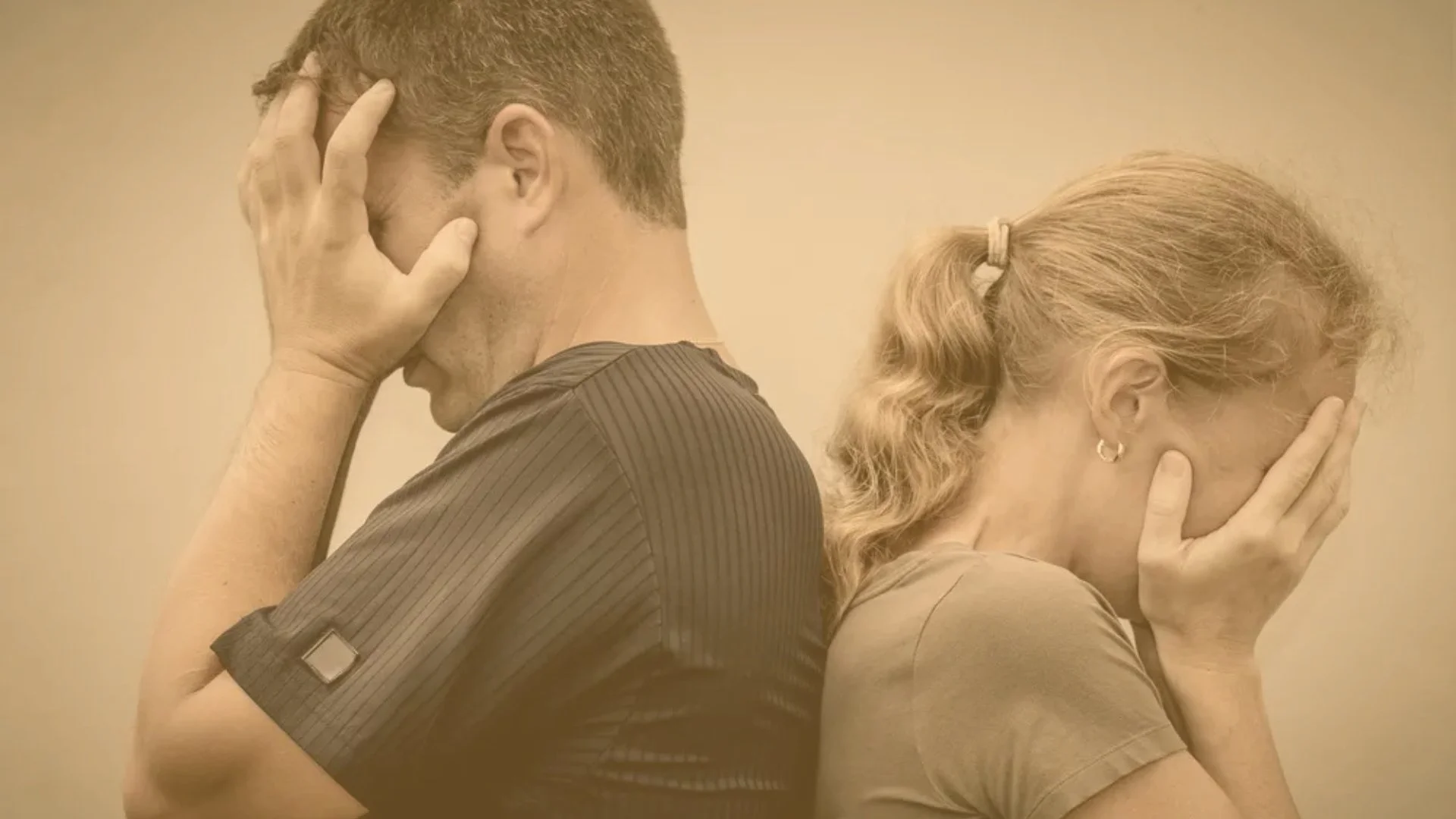
There’s a specific kind of exhaustion that comes from realizing you’re the one holding everything together while your partner coasts. Not the tiredness of a long week or a bad day, but the bone-deep fatigue of managing the relationship, the household, the emotions, and the repair work while the other person remains comfortably absent.
Let me say this clearly: that exhaustion is information. In toxic relationship burnout, your body understands the imbalance long before your mind is ready to accept it.
When Emotional Labor Becomes Invisible
In toxic relationships, the work you do slowly disappears from view. You remember appointments. You smooth over conflicts. You anticipate moods. You fix what breaks. You apologize first, even when you didn’t cause the damage.
Over time, this stops feeling like teamwork and starts feeling like survival.
I’ve worked with countless women who blamed themselves for being “too sensitive” or “too needy,” when the truth was simpler and harder: they were over-functioning in a relationship that rewarded under-functioning.
If everything collapses the moment you stop carrying it, that’s not love. That’s dependency disguised as partnership.
Stop Arguing With Your Own Experience
One of the most damaging parts of toxic relationship burnout is self-doubt. You start negotiating with reality:
Maybe it’s not that bad.
Maybe I’m expecting too much.
Maybe this is just how long-term relationships feel.
No. Healthy relationships create energy, they don’t drain it completely.
If you feel calmer when your partner isn’t around, if your shoulders drop when you imagine not managing them for a day, your nervous system is already telling the truth. Listening doesn’t make you dramatic. It makes you honest.
What Shifts When You Stop Carrying It Alone
The solution isn’t explaining yourself better or working harder to be understood. That only teaches the other person that you’ll keep compensating.
Real change begins when you stop filling the gaps.
You name what you’re no longer willing to carry.
You allow discomfort without rushing to fix it.
You observe how your partner responds when you step back.
Some relationships adjust. Toxic ones resist, guilt, or punish you for changing. That response tells you everything you need to know.
Healing Begins When You choose Clarity Over Hope
Toxic relationship burnout doesn’t mean you failed. It means you stayed too long in a dynamic that required you to abandon yourself. Healing begins when you choose clarity over hope that isn’t supported by action.
You deserve relationships where effort is mutual, care flows both ways, and rest doesn’t feel like rebellion. That life is possible, not because you try harder, but because you finally stop carrying what was never meant to be yours alone.
FAQ Section
Q: What is toxic relationship burnout?
A: It’s chronic emotional and physical exhaustion caused by carrying most of the emotional labor, responsibility, and repair work in a relationship.
Q: How do I know if I’m burned out from my relationship?
A: Signs include constant fatigue, anxiety, resentment, feeling calmer when your partner isn’t around, and feeling responsible for everything.
Q: Is burnout a sign the relationship is toxic?
A: Often, yes. Especially when the imbalance is persistent and your needs are minimized or ignored.
Q: Can toxic relationship burnout be fixed?
A: Only if both partners take responsibility and adjust behavior. One-sided effort cannot heal burnout.
Q: What’s the first step toward recovery?
A: Stop arguing with your own experience. Name the imbalance, stop compensating, and seek clarity and support.